
Best Indoor Plants for the Dining Room and Where to Put Them
Indoor plants have a unique way of transforming a dining room into a more inviting and vibrant space. Their lush greenery adds a natural touch and creates a calming atmosphere, making mealtimes more special. Beyond their aesthetic appeal, indoor plants provide real health benefits, from improving air quality to reducing stress and enhancing mental well-being.
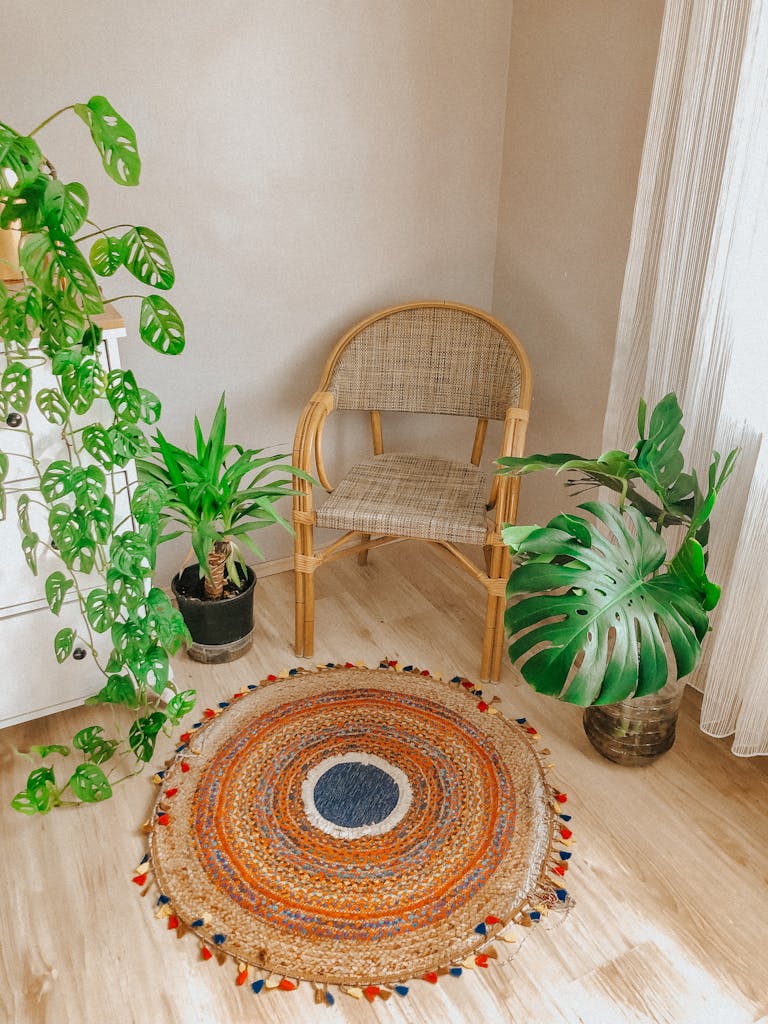
According to Healthline, incorporating greenery into your home can boost productivity, promote relaxation, and even help purify the air. However, choosing the right plants for your dining room requires careful consideration of the space’s lighting, layout, and functionality. But how do you find the perfect plants and showcase them in a way that enhances your dining area?
Factors to Consider When Choosing Dining Room Plants
Bringing plants into your dining room adds charm and freshness, but ensuring they thrive requires thoughtful consideration. Lighting is crucial—rooms with abundant natural light suit plants like fiddle leaf figs, while low-light spaces are better for pothos or peace lilies. Even low-light plants need some light, so supplementing with grow lights can help.
Space and layout matter, too; tall plants like Monstera fill empty corners beautifully, while compact options like succulents fit well on tables or shelves. Maintenance is also key; choose hardy plants like Snake Plants for a low-effort option, or go for Calatheas if you enjoy more attentive care. Consider pruning needs and tidiness to keep your dining area clean and inviting.
Top Indoor Plants Suitable for Dining Rooms
The right plants can do more than elevate your dining room’s atmosphere—they bring health benefits that enhance your living space. From purifying the air to reducing toxins and improving overall well-being, these six adaptable and stylish plants offer unique advantages:
| Plant Name | Key Features | Ideal Placement | Health Benefits |
| Fiddle Leaf Fig | Large, sculptural leaves; a striking focal point. | Corners with bright, indirect light. | Removes formaldehyde, ammonia, and benzene; NASA-rated for excellent air purification. |
| Bird of Paradise | Bold, tropical leaves; adds height and elegance. | Well-lit corners or near south-facing windows. | Filters air pollutants, improving overall air quality. |
| Swiss Cheese Plant | Large, perforated leaves; a bold statement plant. | Corners or sideboards with indirect light. | Detoxifies air by absorbing toxins like formaldehyde and benzene. |
| Pothos | Trailing vines; one of the easiest plants to grow. | Shelves or hanging baskets in various light conditions. | Removes formaldehyde, benzene, and carbon monoxide; reduces eye strain from screen use. |
| Dracaena Lisa | Upright, glossy leaves; sleek and low-maintenance. | Corners or as a standalone floor plant in indirect light. | Purifies air by removing formaldehyde, benzene, and other chemicals. |
| Lady Palm | Fan-like leaves; refined and elegant appearance. | Low-light corners or shaded areas. | Eliminates pollutants like ammonia, carbon dioxide, and xylene; actively improves air quality. |
Optimal Placement Strategies for Dining Room Plants
Strategically placing indoor plants in your dining room can enhance visual appeal and create a welcoming and healthy atmosphere. Here are some ideas to make the most of your space while keeping functionality and style in mind:
Tabletop Displays
For your dining table, small and tidy plants make the perfect centerpiece. Succulents, compact ferns, or even a tiny peace lily in a decorative pot can add a touch of greenery without dominating the space. Low-profile plants are essential to maintain clear sightlines, allowing for easy conversation across the table. Whether you have a modern glass-top table or an elegant Amish dining table, these compact options provide a polished, sleek look that complements any style.
Corner Enhancements
Empty corners in your dining room offer an excellent opportunity to make a statement with taller plants. The Fiddle Leaf Fig, with its upright growth and large leaves, is an ideal choice for adding height and a touch of sophistication. Placing these plants near windows allows them to thrive while filling unused spaces with natural charm. If your dining room features Amish-made dining chairs or something similar, a corner plant can balance the room’s visual weight, highlighting the timeless craftsmanship of the furniture.
Shelf and Sideboard Accents
Trailing plants like Pothos or String of Hearts are perfect for shelves or sideboards, where their cascading foliage can create layers of interest. Placing these plants on floating shelves, a buffet table, or a sideboard adds texture to the room without taking up valuable floor space. Choose pots that match the room’s décor for a cohesive look, and ensure they’re in spots with appropriate light conditions for the plant.
Hanging Installations
Hanging planters are a clever way to incorporate greenery into your dining room without sacrificing floor or tabletop space. Trailing plants like Boston Ferns or English Ivy look stunning in hanging pots, especially when placed near windows or in well-lit corners. Hanging installations also draw the eye upward, adding dimension and a sense of openness to the room. They’re instrumental in smaller dining areas where maximizing space is key.
Maintenance and Care Guidelines
Caring for indoor plants in your dining room ensures they remain vibrant and healthy, keeping your space looking its best. Here are some essential maintenance tips to help your plants thrive:
- Watering Practices: Water when the top inch of soil feels dry. Avoid overwatering to prevent root rot.
- Light Management: In low-light rooms, supplement with grow lights to ensure plants receive adequate brightness.
- Pest Control: Regularly inspect leaves for pests like aphids or spider mites. Use insecticidal soap or neem oil for treatment.
- Seasonal Considerations: Adjust watering and light exposure during colder months, as plants may grow slower and need less water.
Greenery That Grows With Your Dining Room
Adding indoor plants to your dining room is more than a design choice—it’s a way to bring life, warmth, and tangible health benefits into your home. These plants enhance your space aesthetically, purify the air, reduce toxins, and contribute to a calmer, healthier environment for you and your family. Thoughtfully placed and well-maintained, they transform your dining room into a refreshing retreat that elevates every meal and gathering.
You strike the perfect balance between style and functionality by selecting plants that align with your room’s lighting, layout, and care preferences. Whether it’s a towering fiddle leaf fig that purifies the air or a dainty pothos on your Amish dining table that removes toxins, these living accents enrich your dining space, making it feel inviting, functional, and indeed your own.